Effective Drainage Solutions for Melbourne Gardens
Ag lines, pits and stormwater solutions to protect your garden and home.
The Foundation of a Healthy Garden
Poor drainage is one of the most common problems affecting Melbourne gardens, and one of the most damaging when left unaddressed. Waterlogged soil suffocates plant roots, encourages fungal diseases, creates mosquito breeding grounds, and can even threaten the foundations of your home.
At David Claude Landscape Design, we’ve spent over 30 years solving drainage challenges across Melbourne’s varied terrain, from the clay-heavy soils of the eastern suburbs to the steep blocks of the hills district.
Understanding Melbourne’s Drainage Challenges
Clay Soils
Much of Melbourne sits on heavy clay soils that drain poorly. When wet, clay becomes waterlogged and anaerobic; when dry, it shrinks and cracks. Neither condition suits healthy plant growth.
Variable Rainfall
Melbourne’s rainfall is notoriously unpredictable - extended dry spells punctuated by heavy downpours. Effective drainage must handle significant volumes when rain does arrive.
Sloping Sites
The eastern suburbs’ hilly terrain creates particular challenges. Water naturally flows downhill, and without proper management, it can cause erosion, undermine retaining walls, and pool against foundations.
Drainage Solutions
Agricultural Drains (Ag Lines)
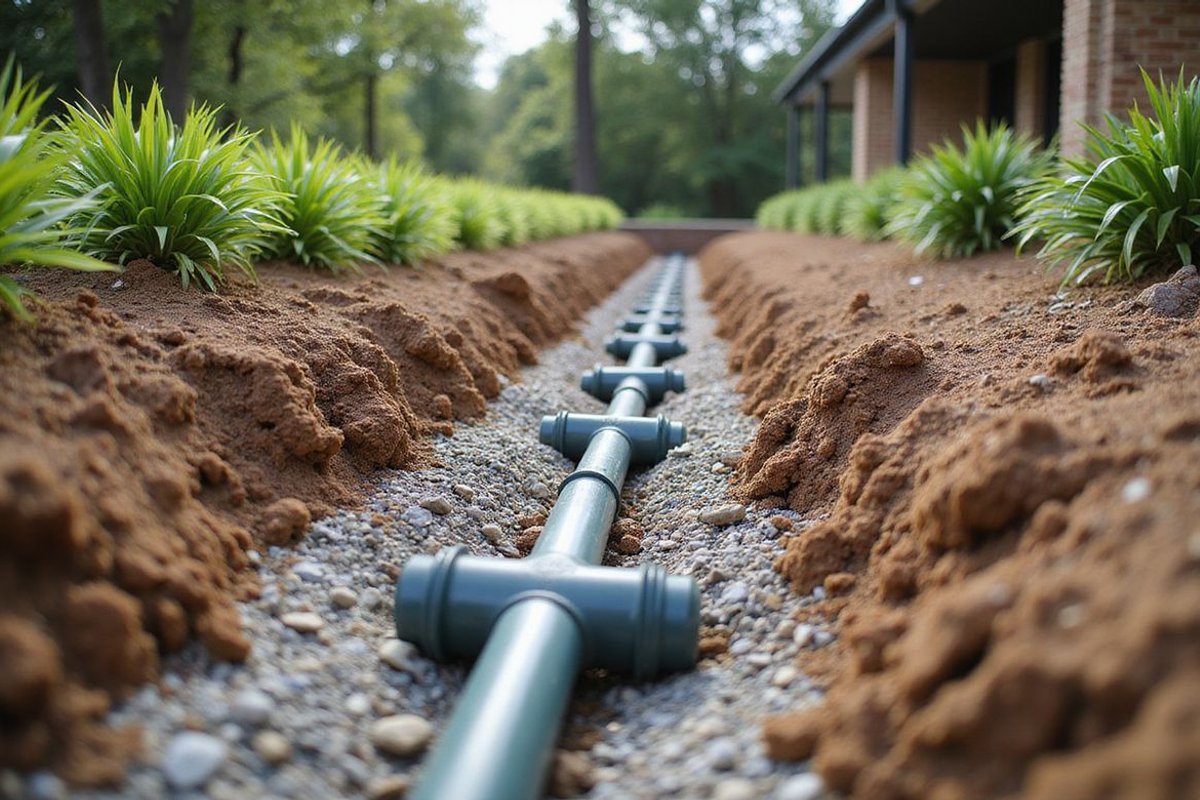
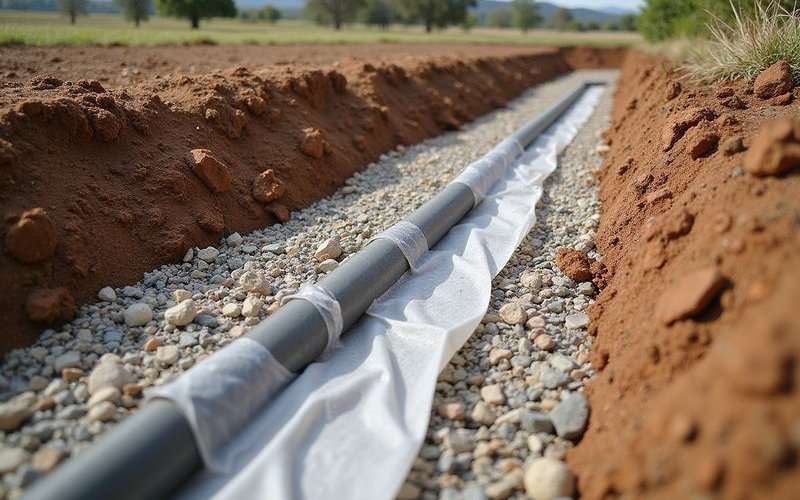
Agricultural drains are perforated pipes laid in gravel-filled trenches to collect and redirect subsurface water. They’re the workhorse of garden drainage, effective for:
- Lowering water tables in chronically wet areas
- Protecting retaining walls from hydrostatic pressure
- Intercepting water before it reaches problem areas
- Draining behind waterproofed surfaces
We install ag drains with proper fall, appropriate gravel, and geotextile wrapping to prevent silt infiltration - details that ensure long-term performance.
Drainage Pits
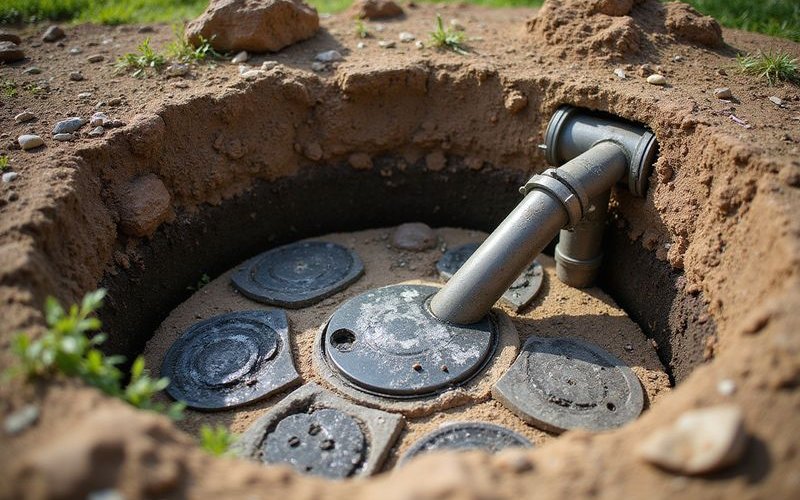
Drainage pits collect water from ag lines, downpipes, and surface drains, directing it into the stormwater system. Pit sizing and placement must be carefully calculated based on catchment area and expected flows.
French Drains
French drains are surface-level gravel trenches that intercept and redirect surface water. They’re particularly useful for:
- Managing runoff from paved areas
- Protecting boundaries between properties
- Creating visual features while solving drainage problems
Surface Water Management
Not all water needs to go underground. Strategic grading, swales, and permeable surfaces can manage surface water while adding design interest:
Swales - Gentle depressions that guide water flow while supporting plants
Rain Gardens - Planted areas designed to capture and filter stormwater
Permeable Paving - Surfaces that allow water to infiltrate rather than run off
Stormwater Connection
In Victoria, all collected stormwater must be properly connected to the council stormwater system. This requires:
- Appropriate pipe sizing for expected flows
- Proper grades for gravity drainage
- Legal connection to the street drainage network
- Council approval for larger systems
We handle all aspects of stormwater connection, ensuring compliance with local regulations.
Signs Your Garden Needs Drainage
Common indicators of drainage problems include:
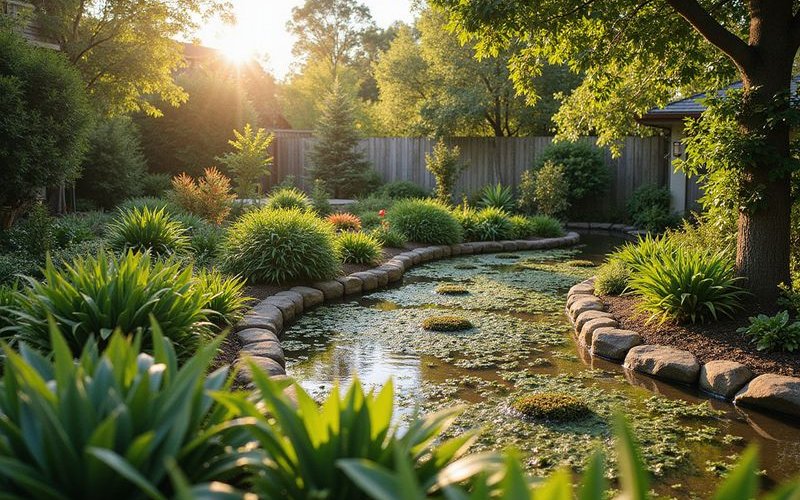
- Water pooling on the surface after rain
- Soil that remains boggy days after rainfall
- Moss or algae growing on the soil surface
- Plants showing signs of root rot or stress
- Damp or musty smells in garden areas
- Water staining on retaining walls
- Efflorescence (white salt deposits) on masonry
- Foundation dampness or rising damp
Drainage and New Landscaping
When planning a new garden or renovation, drainage should be addressed early in the design process. Installing drainage beneath established gardens is significantly more disruptive and expensive than incorporating it from the start.
Our landscape designs always consider water management, incorporating drainage solutions that work invisibly to protect your investment.
Solve Your Drainage Problems
Living with a waterlogged garden is unnecessary. Contact us to discuss your drainage challenges and discover how proper water management can transform your outdoor space from frustration to function.
Key Features
What's included in our drainage systems service
Related Services
Other services that complement drainage systems
Retaining Walls
Structural retaining solutions in timber, rock, concrete sleeper and rendered masonry.
Learn More arrow_forwardLandscape Design
Transform your outdoor space with bespoke landscape design from concept to reality.
Learn More arrow_forwardFrequently Asked Questions
Everything you need to know about our landscape design services
Ready to Discuss Drainage Systems?
Book your complimentary consultation and discover what's possible for your property.
schedule Within 48 Hours response guaranteed